Ganvexa Consulting
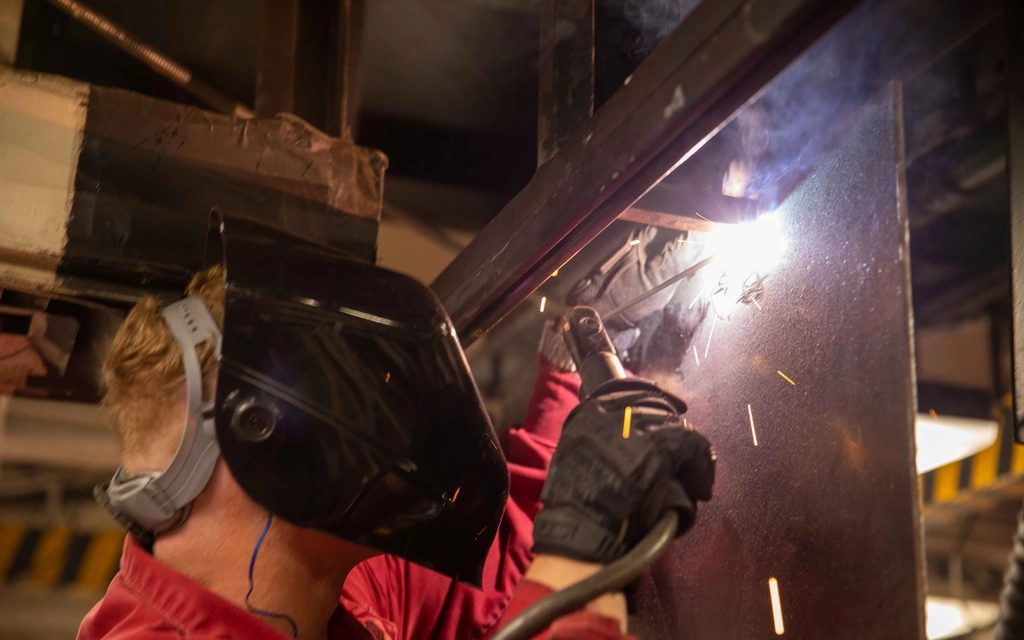
Here's a situation most fabrication shops, joinery workshops and equipment makers will recognise.
A customer emails a drawing on Tuesday afternoon. It's similar to a job you did last spring, but not the same: a different size, a different material, and they need it in three weeks instead of six. The one person who really knows how to price it is on the shop floor sorting out a problem. The quote goes out on Friday. By then the customer has already had two other prices.
Nobody did anything wrong. The business just depends on a few people remembering what things cost.
Why quoting gets stuck
When we sit with manufacturers who build to order, the same things come up:
- Pricing lives in people's heads. "What did we charge for the last one?" means scrolling through old emails or asking whoever was here at the time.
- Every quote starts from scratch. A spreadsheet template helps, but someone still has to work out materials, labour hours and margin each time.
- Quotes and production don't talk. Once a quote is accepted, the workshop gets a printout or a WhatsApp message and works out the materials again.
- Nobody knows if the job made money. The quote said one thing. What actually got used and how long it took is never compared.
The result is slow quotes, inconsistent prices between salespeople, and margins that quietly shrink on the jobs that turn out harder than expected.
What changes when quoting has a structure
The goal isn't to make every job identical. It's to give the person quoting a sensible starting point instead of a blank page. In Odoo, that usually comes from three things working together.
1. Product families with variants
Most "custom" jobs actually fall into a handful of families: a type of frame, a type of cabinet, a type of radiator or tank. Within each family, the differences are things like size, material, finish or capacity.
Odoo lets you set up one product with variants for those options. Choose stainless instead of mild steel and the price and material list change with it. Your salesperson picks options instead of calculating from zero.
2. Bills of materials that follow the quote
A bill of materials (BoM) is just the recipe: which materials and how much, plus which work centres the job goes through (cutting, welding, finishing, testing). When a quote is confirmed, Odoo can create the manufacturing order with that recipe already attached. The workshop sees exactly what was sold, and stores can see which materials are needed before the job starts.
3. Your own history, easy to find
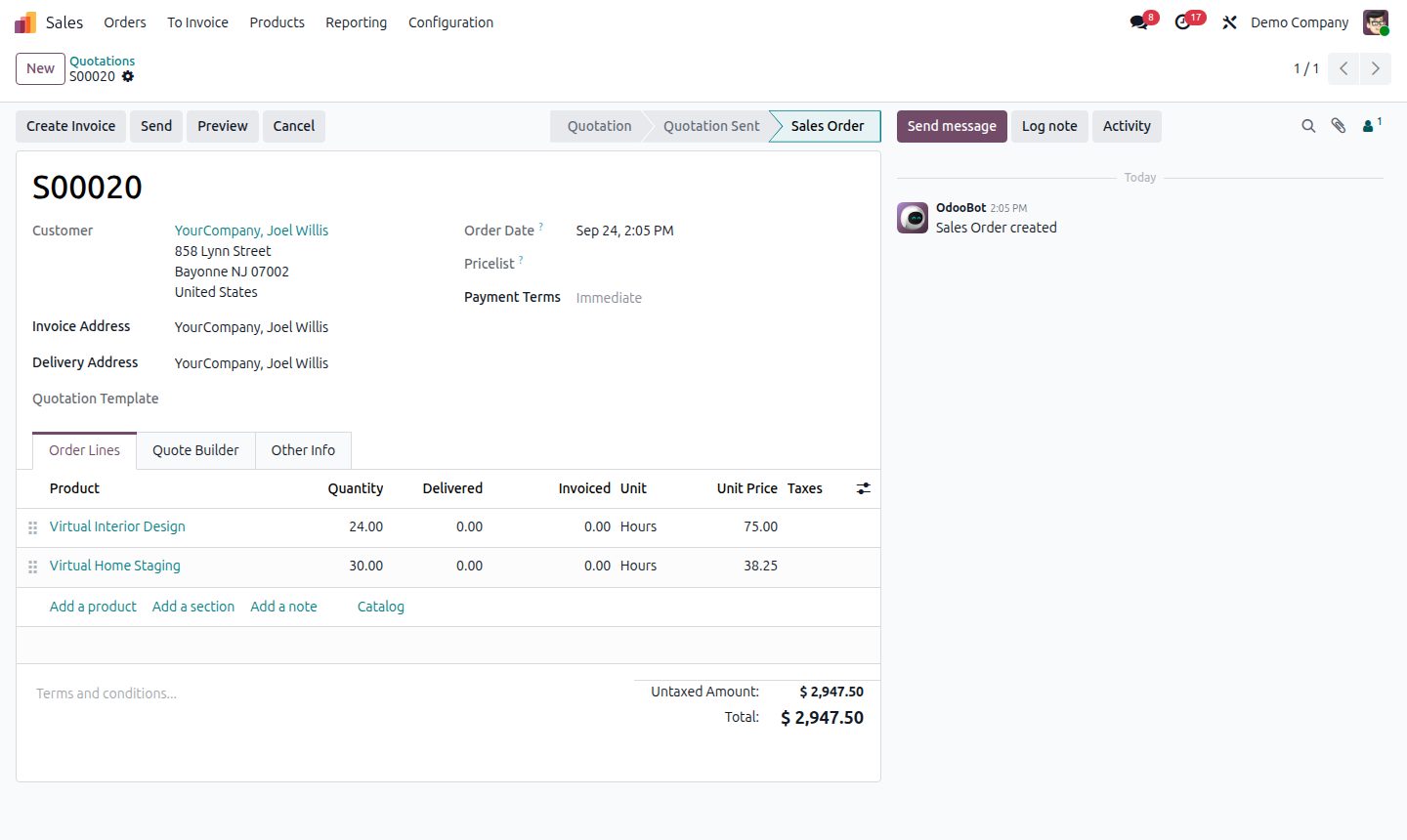
Every confirmed order stays in Odoo with its price, materials and customer. When a similar enquiry comes in, finding "what did we do last time" takes seconds, not an afternoon of digging through old emails.
Where AI helps, and where it doesn't
Once the basics are in place, AI can take some of the typing off your team. For example:
- Reading an incoming email or WhatsApp enquiry, pulling out the dimensions, material, quantity and deadline, and creating the opportunity in Odoo with the original message attached.
- Finding the most similar past jobs and preparing a draft quotation from them for someone to review.
- Reminding the salesperson when a quote has had no reply after a few days.
What AI shouldn't do is set your prices. Your experienced people still decide. They just stop spending their time on retyping and searching. We did exactly this for a radiator and heat exchanger manufacturer. You can read how in the Viking Radiators case study.
A sensible way to start
You don't have to model every product on day one. What usually works:
- Pick the two or three product families that make up most of your quotes.
- Set those up with variants and a basic bill of materials.
- Quote new jobs in those families from Odoo for a month, and keep everything else as it is.
- Compare the quoted materials and hours with what the workshop actually used, and adjust.
After a few months you'll have something most build-to-order businesses don't: real numbers on which jobs make money and which don't.
The short version
Made-to-order businesses don't need less flexibility. They need a starting point for each quote, a clean handover to the workshop, and a record of what happened. That's what a well set-up ERP gives you, and it's where we usually start with manufacturers.
Common questions
Can Odoo handle made-to-order manufacturing?
Yes. Odoo Manufacturing supports make-to-order, product variants and bills of materials, so a confirmed sales order can create its own manufacturing order. Highly configurable products may need some configuration work or a small customisation.
Do we need to model every product before we start quoting in Odoo?
No. Start with the two or three product families that make up most of your quotes, use them for a month, then add the rest.
What is AI quoting for manufacturers?
AI quoting reads an incoming enquiry, finds similar past jobs in Odoo and drafts a quotation from them with materials and prices pre-filled. A person checks it and sets the final price before it goes to the customer.
Can AI set our prices automatically?
It can suggest a price based on similar past jobs, but we recommend a person always approves it. Pricing custom work depends on judgement and context that AI doesn't have.
AI quotingAI quote generationOdoo quotationmade-to-order manufacturingmake-to-order in Odooquoting software for manufacturersOdoo bill of materialsOdoo product variants